
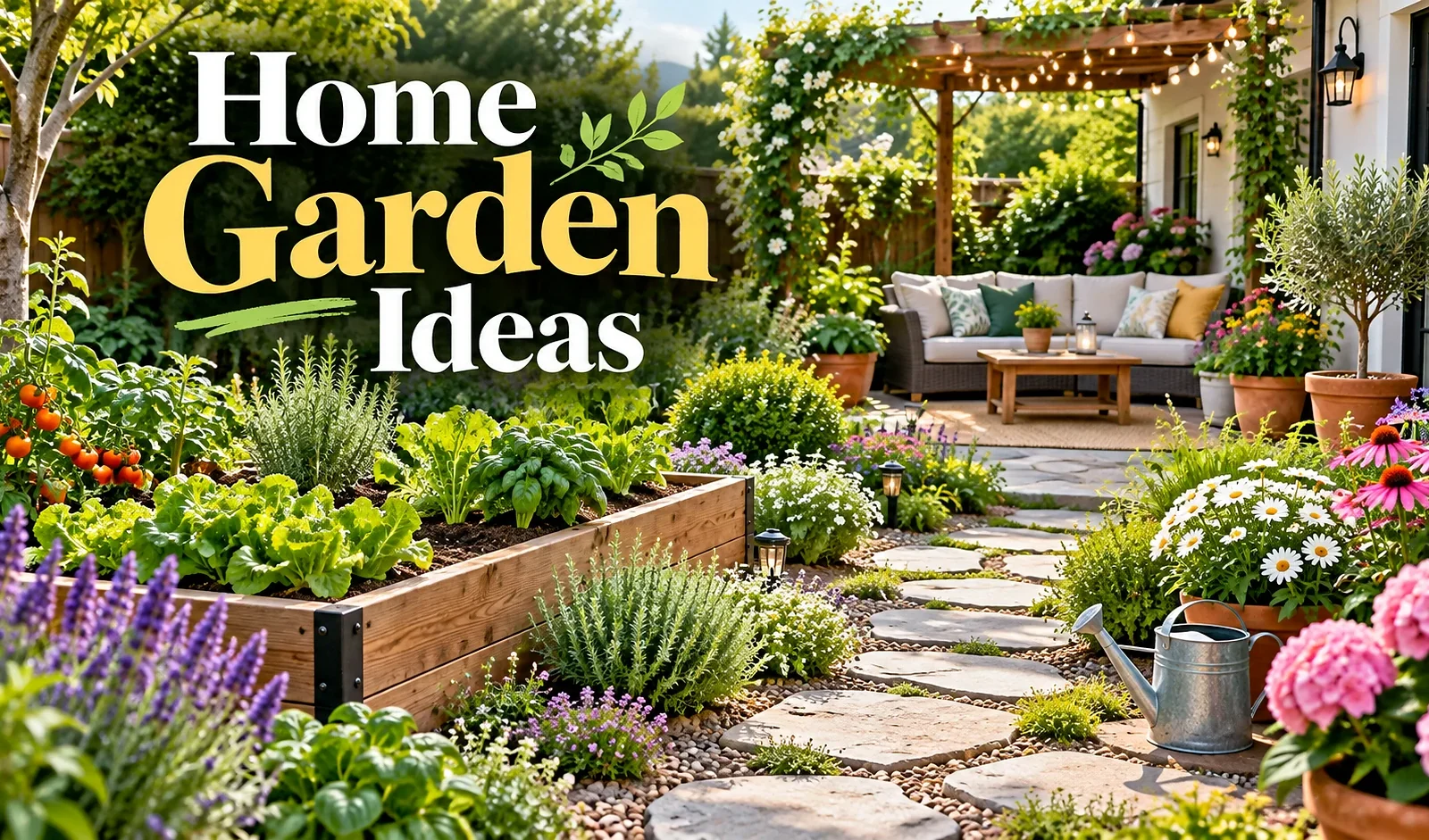
A beautiful home garden doesn’t have to involve a huge backyard, expensive landscaping, or years of gardening experience. Sometimes, a few thoughtfully arranged flower pots, a winding stone pathway, or a small raised vegetable bed can completely transform an ordinary outdoor space into somewhere you genuinely enjoy spending time.
The best home garden ideas combine attractive design with practical choices that suit your available space, sunlight, climate, and lifestyle. Whether you love colorful cottage flowers, clean modern landscaping, fresh homegrown herbs, or peaceful greenery, there’s a garden style that can work for you.
You can start with a single corner, reuse materials you already own, or gradually develop a larger garden as your confidence grows. Small improvements often make a surprisingly noticeable difference.
These 17 inspiring home garden ideas offer realistic ways to create outdoor spaces that feel welcoming, personal, and full of life. Each design includes accessible materials, suitable plant suggestions, and simple steps to help you turn inspiration into a garden you can actually maintain.
Beautiful And Practical Home Garden Ideas To Try
Curved Gravel Walkway Through A Colorful Cottage Flower Garden
Overview
A gently curving gravel walkway surrounded by overflowing flower beds creates the relaxed charm of a traditional cottage garden. Soft pink roses, purple salvia, white daisies, and cheerful seasonal flowers provide layers of color and texture. Natural stone edging keeps the pathway defined without making it feel formal. This design works beautifully in sunny front yards or medium-sized backyards.
Materials & Plants
- Pea gravel or compactable crushed gravel
- Natural stones or brick edging
- Compact shrub roses and perennial salvia
- Shasta daisies and seasonal annuals
- Landscape rake, shovel, and compost
- Mulch for flower beds
How to Create It
- Mark a gently curved pathway at least 3 feet wide using a garden hose. Remove weeds and excavate the path area.
- Install edging, prepare a firm compacted base, and spread suitable pathway gravel evenly.
- Improve the surrounding soil with compost, then arrange taller flowering plants toward the back and shorter varieties near the path.
- Water newly planted flowers regularly, mulch exposed soil, and trim plants that begin spreading across the walkway.
Four Square Raised Vegetable Beds With Neat Gravel Pathways
Overview
Four wooden raised beds arranged in a symmetrical square make a productive vegetable garden look organized and attractive. Narrow gravel pathways divide the beds, providing easy access for planting, watering, and harvesting. Bright green lettuce, colorful Swiss chard, tomatoes, and herbs create a beautiful edible landscape. This layout suits a sunny backyard with enough room for several compact growing beds.
Materials & Plants
- Four untreated, rot-resistant wooden raised-bed frames
- Vegetable garden soil and finished compost
- Lettuce, Swiss chard, bush beans, and tomatoes
- Basil, chives, and parsley
- Gravel and pathway edging
- Tomato supports and watering can
How to Create It
- Choose a level location receiving at least six hours of direct sunlight, preferably more for tomatoes.
- Arrange four 3-by-3-foot or 4-by-4-foot raised beds with comfortable pathways between them.
- Fill the beds with a suitable soil and compost blend, leaving a little room below the top edges.
- Plant vegetables according to their mature size, add supports where necessary, and water consistently while harvesting regularly.
Layered Terracotta Pot Garden On A Sunny Patio
Overview
A collection of terracotta containers in different heights and sizes brings Mediterranean-inspired warmth to an ordinary patio. Tall ornamental plants provide height, flowering geraniums add bright color, and trailing greenery softens the arrangement. The natural orange-brown pottery looks especially attractive against pale stone paving or wooden decking. This flexible garden design is perfect for patios, small courtyards, and sunny apartment terraces.
Materials & Plants
- Terracotta pots in three or four sizes
- High-quality outdoor potting mix
- Zonal geraniums and trailing verbena
- Dwarf ornamental grasses
- Creeping thyme for sunny containers
- Plant stands or sturdy wooden crates
How to Create It
- Select a sunny patio corner and arrange empty pots before planting, placing the tallest containers toward the back.
- Check that every pot has drainage holes and fill with fresh potting mix suited to the selected plants.
- Plant upright varieties in larger containers and trailing flowers near the front edges.
- Group containers for visual impact, leaving enough room for airflow, and check soil moisture frequently during hot weather.
Wooden Garden Trellis Covered In Flowering Climbing Vines
Overview
A simple wooden trellis covered in climbing flowers adds vertical beauty without using much ground space. Delicate vines grow upward through a natural wood framework, creating a leafy green wall dotted with colorful blossoms. Small flowering plants at the base complete the arrangement. This idea works particularly well beside a fence, along a patio boundary, or against a sunny garden wall.
Materials & Plants
- Weather-resistant wooden trellis
- Secure posts and mounting hardware
- Clematis or annual climbing nasturtiums
- Compact petunias or alyssum
- Compost and garden mulch
- Soft garden ties
How to Create It
- Choose a trellis location with enough sunlight for your selected climbing plants and secure the structure firmly.
- Prepare a planting area at the base with loosened soil and compost.
- Position climbing plants according to their spacing requirements, gently directing young stems toward the supports.
- Add low-growing flowers, mulch the soil, and tie new growth loosely as needed while monitoring watering requirements.
Peaceful Shady Woodland Garden With Ferns And Hostas
Overview
Transform a shaded backyard corner into a lush woodland retreat with layered green foliage and natural materials. Large hosta leaves create bold shapes, while delicate fern fronds add movement and softer textures. Mossy-looking stones, weathered logs, and a simple mulch pathway make the space feel peaceful and established. This garden is especially suitable beneath high tree canopies or beside north-facing fences.
Materials & Plants
- Hostas suitable for local growing conditions
- Native or regionally suitable woodland ferns
- Heuchera and shade-tolerant sedges
- Shredded leaf mulch
- Natural stepping stones
- Compost and hand trowel
How to Create It
- Observe how much sunlight reaches the area and determine whether the soil stays moist or becomes dry beneath nearby trees.
- Select shade-tolerant plants that match the actual soil moisture and available growing space.
- Arrange large hostas as focal points, grouping ferns and smaller foliage plants between them.
- Lay stepping stones without damaging major tree roots, apply leaf mulch, and water during dry periods while plants establish.
Native Pollinator Flower Garden With Colorful Wildflower Drifts
Overview
A flowing pollinator garden combines clusters of flowering perennials with ornamental grasses for a natural, meadow-inspired appearance. Purple, yellow, pink, and white flowers bloom at different times, offering changing scenery throughout the growing season. Repeated plant groupings keep the arrangement intentional rather than messy. This design looks wonderful along a sunny backyard fence or in a wide front garden border.
Materials & Plants
- Locally native flowering perennials
- Coneflowers and black-eyed Susans where native
- Regionally appropriate milkweed species
- Native little bluestem or similar grasses
- Compost and natural mulch
- Shallow water dish with pebbles
How to Create It
- Select a sunny planting area and identify native flowers suited to your region, soil, and expected rainfall.
- Remove invasive weeds and prepare the soil without adding excessive fertilizer.
- Arrange flowers in groups of three to five plants, mixing different mature heights and bloom seasons.
- Water during establishment, avoid broad-spectrum pesticides, and leave some healthy stems and seedheads standing through winter where appropriate.
Modern Minimalist Garden With Decorative Gravel And Ornamental Grasses
Overview
A modern minimalist garden uses clean lines, restrained colors, and carefully selected plants to create a sophisticated outdoor space. Pale decorative gravel surrounds sculptural ornamental grasses, while square concrete stepping stones introduce geometric structure. A few dark planters add contrast without overwhelming the design. This style works particularly well in contemporary courtyards, narrow side yards, and small urban backyards.
Materials & Plants
- Light gray decorative gravel
- Square concrete pavers
- Dwarf fountain grass or native grass alternatives
- Compact evergreen shrubs
- Black or charcoal planters
- Steel or aluminum landscape edging
How to Create It
- Sketch a simple layout featuring a gravel area, a stepping-stone route, and two or three planting zones.
- Remove unwanted vegetation, level the area, and install edging with an appropriate compacted base beneath walkable surfaces.
- Position pavers evenly and plant ornamental grasses in deliberate groups, allowing room for mature growth.
- Spread gravel around planting areas, keeping it away from plant crowns, and trim grasses according to their seasonal care requirements.
Vintage Wheelbarrow Planter Overflowing With Bright Annual Flowers
Overview
An old wheelbarrow becomes a charming rustic garden centerpiece when filled with abundant seasonal flowers. Bright petunias, cheerful marigolds, and trailing lobelia spill over the edges, softening the weathered metal or wooden frame. Placed near a garden shed, along a fence, or beside a gravel path, this playful arrangement adds personality without requiring a permanent planting bed.
Materials & Plants
- Old wheelbarrow in stable condition
- Drill with metal-appropriate bit if needed
- Lightweight outdoor potting mix
- Petunias and dwarf marigolds
- Trailing lobelia or sweet alyssum
- Small hand shovel and watering can
How to Create It
- Clean the wheelbarrow thoroughly and inspect it for sharp edges, unstable parts, or residues from previous contents.
- Drill several drainage holes in the base, avoiding structural supports, and position the wheelbarrow securely in a sunny location.
- Fill with potting mix and arrange taller flowering plants toward the center, leaving trailing varieties along the edges.
- Water when the upper soil begins drying, feed flowering annuals as directed, and remove faded flowers when beneficial.
Mediterranean Herb Garden With Lavender And Natural Stone Edging
Overview
A Mediterranean-inspired herb garden pairs aromatic foliage, soft purple flowers, and sun-warmed stone for an inviting outdoor atmosphere. Rounded lavender shrubs form colorful mounds beside upright rosemary and spreading thyme. A pale gravel surface and irregular stone edging create a rustic look. This design is best for sunny gardens with excellent drainage, especially in regions with relatively dry growing conditions.
Materials & Plants
- English lavender suited to local winters
- Upright rosemary varieties
- Culinary thyme and oregano
- Natural limestone or fieldstone edging
- Coarse mineral mulch or gravel
- Well-draining soil amendment if needed
How to Create It
- Choose a location receiving six to eight hours of direct sunlight and check that water drains freely from the soil.
- Form a slightly raised planting area if necessary, then arrange stones around the border.
- Plant lavender and rosemary with enough space for mature growth, adding low-growing thyme near the front.
- Water regularly until established, avoid keeping roots constantly wet, and prune lavender lightly after flowering without cutting deeply into old wood.
Symmetrical Front Entrance Garden With Evergreen Planters And White Flowers
Overview
Matching planters and balanced planting beds give a home entrance a polished, welcoming appearance. Two compact evergreen shrubs frame the doorway, while white seasonal flowers create a fresh contrast against dark green foliage. Simple rectangular edging defines the garden beds without making them feel crowded. This elegant design works especially well for small front yards, porch entrances, and homes with traditional or modern architecture.
Materials & Plants
- Two matching weather-resistant planters
- Compact boxwood alternatives suited to your region
- White begonias for partial shade
- White petunias for sunny entrances
- Dark mulch or decorative stone
- Measuring tape and garden soil
How to Create It
- Measure both sides of the entrance and determine whether the available space allows a balanced arrangement without blocking walkways.
- Position matching planters near the doorway and choose evergreen shrubs appropriate for the containers and local climate.
- Prepare narrow garden beds or additional containers, planting white seasonal flowers in repeated groups.
- Finish with a thin mulch layer, prune shrubs lightly to maintain their shape, and replace seasonal flowers as conditions change.
Colorful Backyard Cutting Garden With Straight Flower Rows
Overview
A dedicated cutting garden fills a sunny backyard with cheerful flowers that can also brighten indoor arrangements. Long, narrow planting rows feature tall sunflowers, colorful zinnias, airy cosmos, and other easy-growing annuals. Simple paths between the beds make harvesting convenient and keep the layout organized. This productive flower garden suits homeowners who enjoy fresh bouquets and vibrant seasonal color.
Materials & Plants
- Zinnia and cosmos seeds
- Branching sunflower varieties
- Snapdragons for suitable cool seasons
- Compost and garden rake
- Bamboo stakes or flower support netting
- Mulch or straw for paths
How to Create It
- Choose an area with at least six hours of sunlight and divide it into narrow beds accessible from both sides.
- Loosen the soil, incorporate finished compost, and rake the planting surface smooth.
- Sow seeds at the correct depth and spacing for each variety, grouping flowers by height and growth habit.
- Water seedlings gently, thin crowded plants, provide supports where needed, and harvest flowers regularly to encourage continued production.
Miniature Succulent Rock Garden In A Shallow Stone Trough
Overview
A shallow stone trough filled with compact succulents creates a miniature landscape of interesting shapes and subtle colors. Rosette-forming plants, trailing sedums, small rocks, and sandy-looking mineral topdressing produce a striking desert-inspired composition. The low arrangement makes an attractive accent on a sunny patio or courtyard. Choose succulent species according to local winter temperatures and rainfall rather than appearance alone.
Materials & Plants
- Wide stone or concrete trough with drainage
- Gritty succulent potting mix
- Cold-hardy sempervivums for suitable climates
- Compact sedums or tender echeverias
- Small decorative rocks
- Coarse gravel topdressing
How to Create It
- Choose a shallow but sufficiently deep container with drainage holes and enough room for the selected plants’ root systems.
- Fill the trough with a fast-draining growing mix formulated for succulents.
- Arrange the largest rosettes first, position smaller plants around them, and add stones for a natural miniature landscape.
- Apply gravel topdressing, water thoroughly but infrequently, and protect tender species from frost or prolonged heavy rain.
Cozy Backyard Garden Bench Surrounded By Fragrant Flowers
Overview
A simple wooden bench tucked among fragrant flowering plants creates an inviting place to relax outdoors. Soft lavender, seasonal blooms, and leafy shrubs surround the seating area without completely hiding it. A short stepping-stone path leads toward the bench, while warm natural materials give the corner a quiet, romantic feeling. This garden works best in a sheltered backyard with comfortable sunlight and airflow.
Materials & Plants
- Weather-resistant wooden garden bench
- Fragrant shrub roses suited to your climate
- Lavender for sunny, well-drained locations
- Sweet alyssum or scented annuals
- Flat stepping stones
- Compost and organic mulch
How to Create It
- Select a peaceful garden corner with firm, reasonably level ground and enough space to sit comfortably.
- Install a stable bench and lay a short stepping-stone approach, keeping the route accessible and free of trip hazards.
- Plant taller shrubs behind the bench and shorter fragrant flowers nearby, allowing space for mature growth.
- Mulch the planting beds, water new plants consistently, and prune overhanging growth to keep the seating area pleasant.
Tiered Strawberry Planter Garden With Bright Red Berries
Overview
A tiered strawberry planter creates a productive edible garden while occupying very little ground space. Green strawberry leaves spill over stacked containers, with white blossoms and ripening red berries adding cheerful color. Terracotta, wooden, or sturdy recycled plastic planters can give the display different personalities. This design is ideal for sunny patios, compact backyards, or small garden spaces where traditional planting beds aren’t practical.
Materials & Plants
- Sturdy tiered planter with drainage
- Compact or day-neutral strawberry plants
- Quality potting mix
- Slow-release fertilizer suitable for edible plants
- Clean straw for fruit protection
- Small watering can
How to Create It
- Position the planter where strawberries receive at least six hours of direct sunlight, with good access for watering and harvesting.
- Fill each tier with potting mix, leaving enough room for roots without packing the soil tightly.
- Plant strawberries with their crowns at soil level and arrange them so foliage can spread naturally.
- Water evenly, feed according to product instructions, and harvest ripe berries promptly while removing damaged fruit.
Natural Rain Garden With Native Flowers And River Stones
Overview
A rain garden transforms a suitable low area into an attractive landscape feature that temporarily captures stormwater runoff. Flowering native perennials, upright grasses, and smooth river stones give the shallow basin a natural appearance. Plants are selected for their ability to tolerate occasional saturation followed by drier conditions. This design works in residential yards with suitable soil infiltration and safe drainage away from foundations.
Materials & Plants
- Locally native moisture-tolerant perennials
- Regional sedges and ornamental grasses
- Smooth river stones for decorative accents
- Shredded hardwood mulch
- Shovel, level, and measuring tape
- Compost or specified rain-garden soil mix
How to Create It
- Choose a site at least 10 feet from building foundations, away from septic systems and utilities, and confirm adequate soil infiltration.
- Check local stormwater guidance before excavating a broad, shallow basin designed to drain within 24–48 hours.
- Place the most moisture-tolerant plants in the lowest portion and species suited to periodically damp soil around the upper edges.
- Apply suitable mulch, add stones where desired, and inspect the garden after storms for erosion or standing water that persists too long.
Compact Balcony Salad Garden With Lightweight Planter Boxes
Overview
Even a small apartment balcony can become a productive green space with a collection of compact vegetable planters. Crisp lettuce, colorful leafy greens, parsley, and small edible herbs create a fresh, layered display. Lightweight rectangular boxes fit neatly along a wall or stable shelving unit, leaving room for a chair. This practical garden is ideal for balconies with several hours of daily sunlight.
Materials & Plants
- Lightweight planters with drainage holes
- Loose potting mix for edible plants
- Leaf lettuce and arugula
- Parsley and chives
- Compact Swiss chard
- Water-catching trays and secure plant shelves
How to Create It
- Check balcony weight limits, building rules, wind exposure, and the amount of sunlight available throughout the day.
- Place sturdy planters on the floor or secure shelving, keeping walkways and drainage outlets clear.
- Fill containers with potting mix and plant leafy greens at recommended spacing, choosing varieties suited to the current season.
- Water whenever the growing mix begins drying, harvest outer leaves regularly, and replace plants when they bolt or finish producing.
Low Maintenance Fence Border With Evergreen Shrubs And Perennials
Overview
A long planting bed beside a backyard fence turns an otherwise plain boundary into an attractive green backdrop. Compact evergreen shrubs provide year-round structure, while hardy flowering perennials and decorative groundcovers soften the front edge. Dark mulch creates a neat, unified appearance and helps conserve soil moisture. This practical design suits suburban backyards where homeowners want lasting beauty without constant replanting.
Materials & Plants
- Compact evergreen shrubs suitable for your climate
- Dwarf inkberry holly or regionally appropriate alternatives
- Hardy perennial salvia for sunny beds
- Heuchera for suitable partly shaded areas
- Shredded bark mulch
- Compost, spade, and garden hose
How to Create It
- Measure the fence line and create a gently curved or straight planting bed, allowing enough depth for shrubs to mature.
- Remove weeds and improve the soil as needed, checking sunlight and drainage before selecting plants.
- Space evergreen shrubs according to their expected mature width, filling gaps with compatible perennials and low-growing plants.
- Apply 2–3 inches of mulch away from stems, water deeply during establishment, and prune or divide plants only when necessary.
Create A Beautiful Home Garden That Fits Your Space And Lifestyle
The most memorable home gardens aren’t always the largest or most elaborate. They’re the ones that feel comfortable, reflect the homeowner’s personality, and make everyday outdoor spaces more enjoyable.
A tiny balcony filled with leafy vegetables can be just as satisfying as a backyard bursting with cottage flowers. A modern gravel garden offers clean structure and minimal upkeep, while a fragrant seating corner creates a quiet place to unwind. Every garden has its own appeal.
Before choosing your favorite home garden ideas, consider how much sunlight your space receives, the drainage and quality of your soil, your local climate, and the amount of maintenance you’re comfortable handling. Set a realistic budget and begin with one manageable project rather than trying to redesign everything at once.
You can always expand your garden over time, add new plants as you learn, and adjust the layout as your needs change.
With a little planning, thoughtfully chosen plants, and some creativity, even an overlooked outdoor corner can become a beautiful, welcoming garden that you’ll love spending time in.